
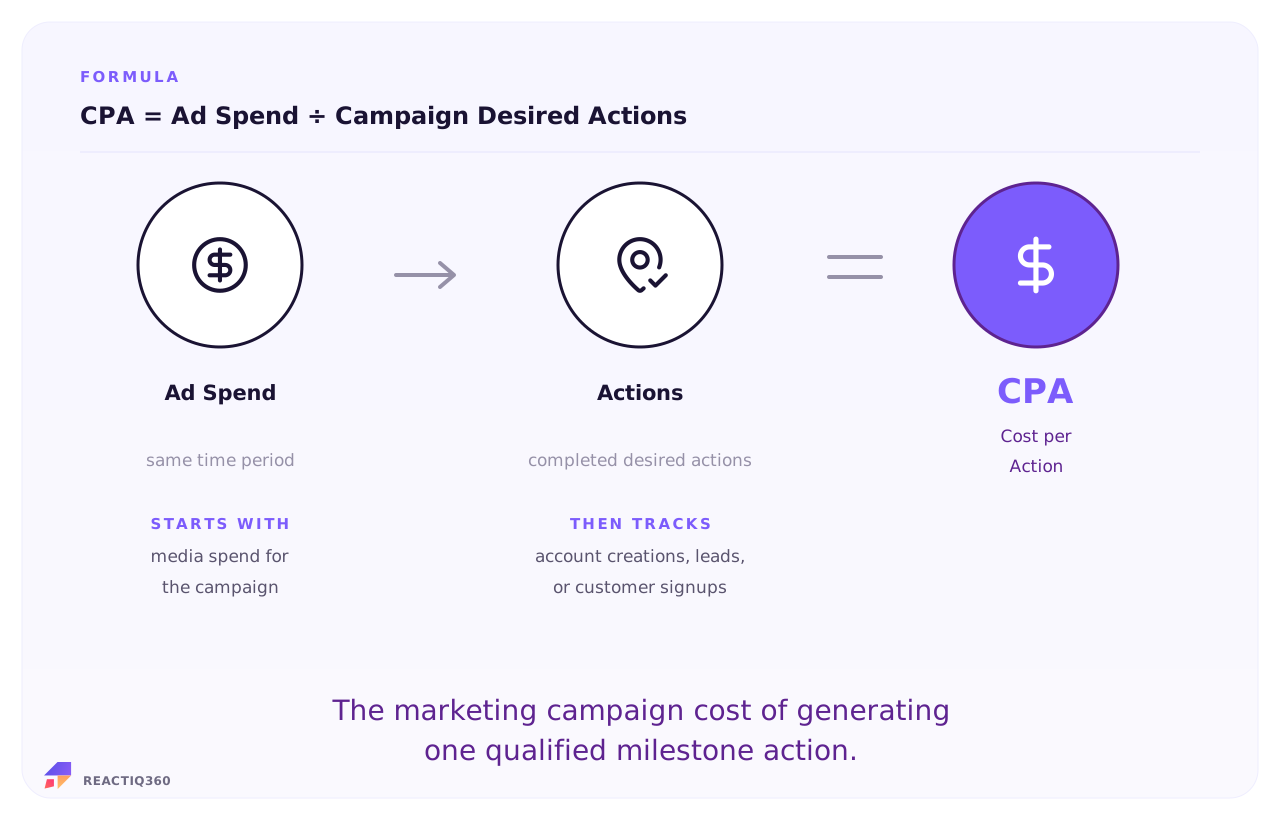
Isolate your spend to evaluate your hook.
Here is a marketing team auditing a dedicated mid-funnel lead generation campaign. They combine their exact ad costs across networks, match them against the raw count of unique trial signups recorded over that exact same window, and isolate the true cost per action.
CPA measures what it costs to buy a specific user action. But whether a raw dollar value is healthy depends entirely on the friction of the milestone. Spending $15 to secure a warm newsletter signup might be way too high, but spending that same $15 to secure a fully configured product trial is a massive pipeline win. Your CPA only makes sense when evaluated directly against your down-funnel trial-to-paid conversion rates.
You won’t find a flawless CPA sitting inside a single dashboard. True CPA requires merging your exact media spend from your ad channels with the clean, raw action volumes captured directly in your database or CRM. If you trust automated network tracking without cross-checking internal lead files, duplicate counts will distort your marketing math.
Here is exactly where each piece of the puzzle lives and what you need to look out for:
CPA is the right metric in these decision contexts:
CPA is one of the most misreported metrics in marketing. The most common errors:
CPA sits in the Convert phase as your week-to-week steering wheel. Line campaigns up on one acquisition definition and it shows where budget converts hardest. Just check a falling CPA is feeding revenue, not buying weaker clicks.
CAC

AOV
CVR
CPL
T2P
CpCon

Sources and methodology. CPA formula and definition derive from standard marketing analytics practice and platform reporting conventions. REACTIQ360 harmonises source data from Ad platforms and marketing spend, CRM / ecommerce / billing, Harmonisation layer and applies a consistent same-period computation methodology.

One story. One move.


