
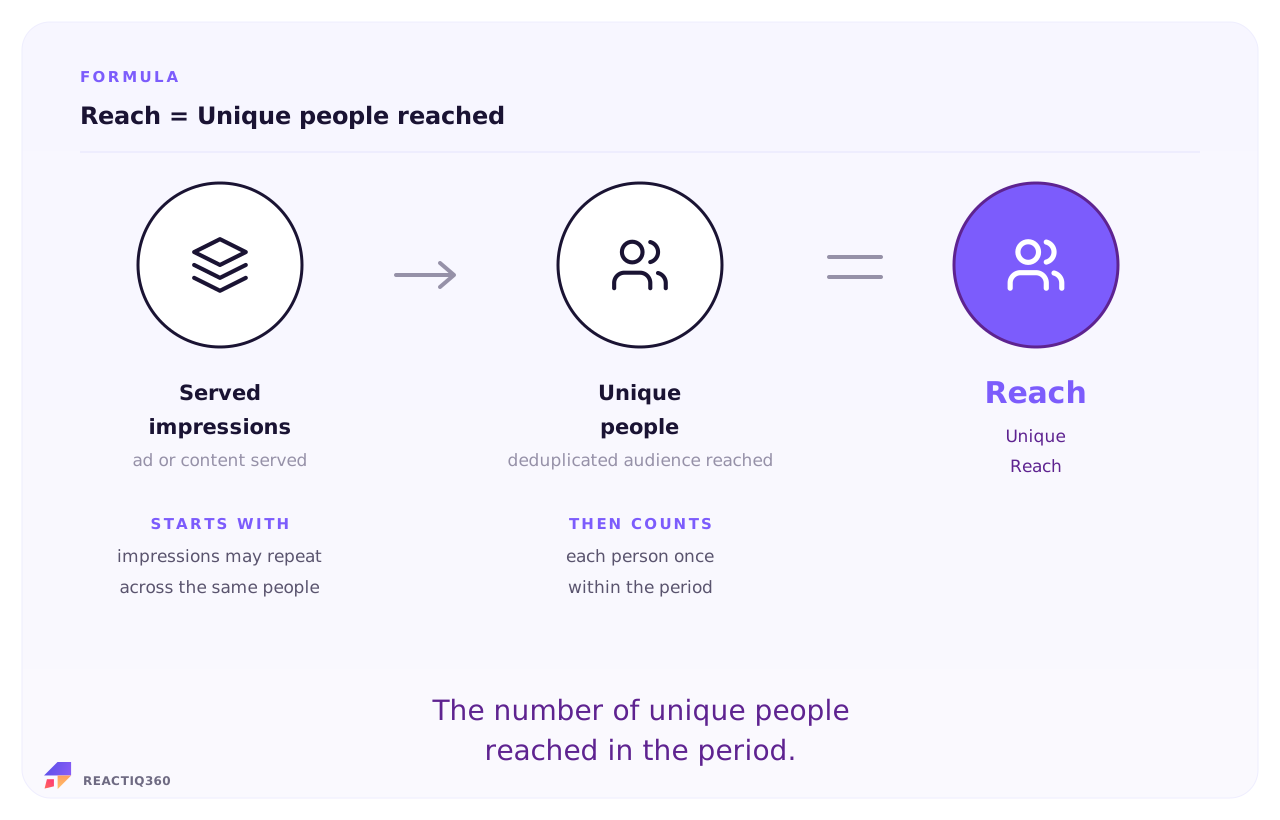
Deduplicate your channel exposure records to find your true unique scale.
A team compares total impressions with the frequency of content views to see how many unique individual profiles their combined organic and paid campaigns successfully reached.
Reach targets depend on campaign intent. Aim high for brand announcements across organic and paid channels, while specific conversions justify narrower profile targeting. Where industry benchmarks are unavailable, track your unique reach curves to guide audience expansions and manage content view frequency limits.
Some networks give you unique reach numbers natively right in the dashboard. If they don't, you simply do the quick math yourself: divide your total impressions by the average frequency.
Rch is the right metric in these decision contexts:
Ad platforms love to mix up raw views with individual eyeballs. When analyzing your data, these are the real-world operational traps that mask budget waste:
Reach sits in its namesake phase, one honest rung above impressions. Qualified Reach starts from this number and filters it for fit and attention. It counts everyone you touched, including the audience that was never yours.
QR

IMP
IMP
Frq
CPM
vCPM

Sources and methodology. Reach formula and definition derive from standard marketing analytics practice and platform reporting conventions. REACTIQ360 harmonises source data from Ad and platform APIs, Campaign taxonomy, Harmonisation layer and applies a consistent same-period computation methodology.

One story. One move.


