
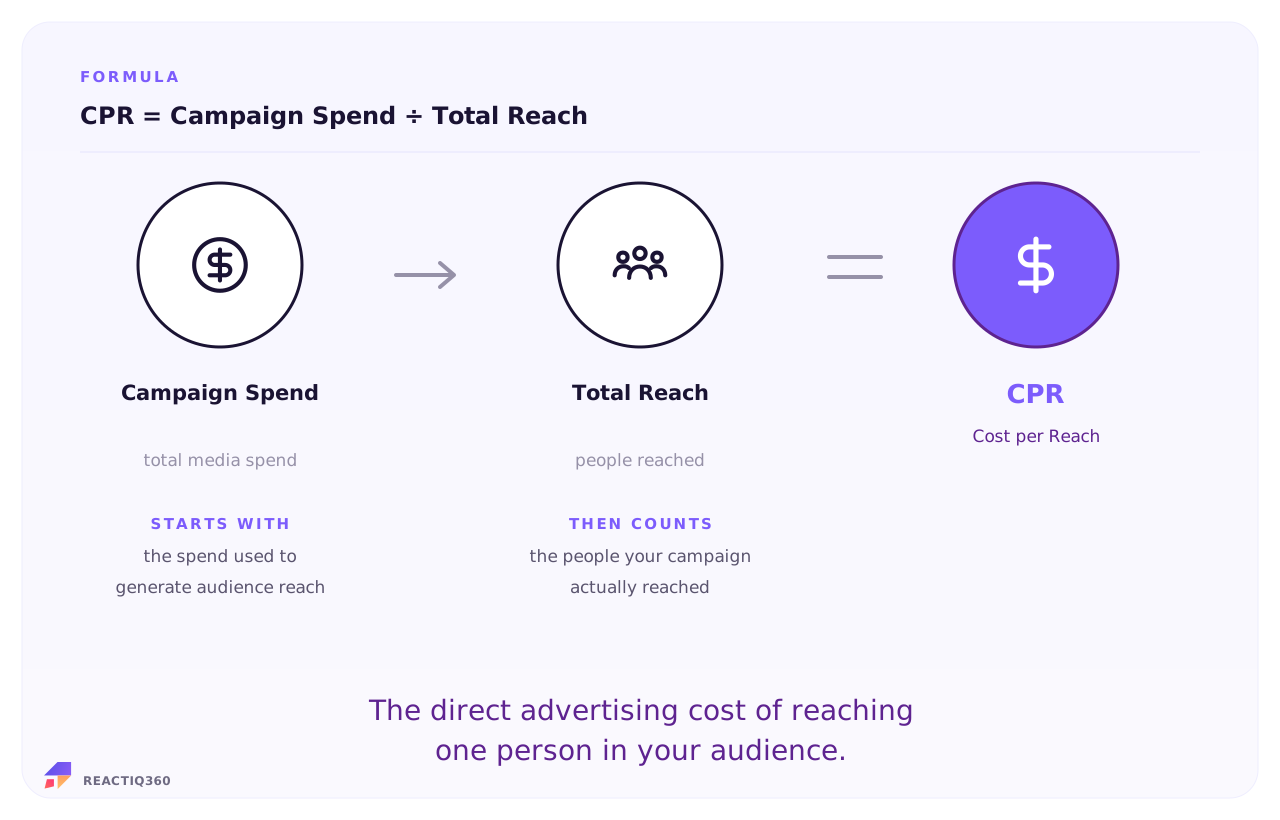
Add up your spend and count the people who saw it. A team divides their total campaign spend by the number of unique people they actually reached to find out exactly what they paid for each new set of eyes.
Cost per Reach targets depend on your targeting criteria. Broad consumer networks offer cheap entries, while narrow business networks demand premium budgets.
Cost per reach is straightforward: divide your total campaign spend by the number of unique people you actually reached. It tells you exactly what you’re paying for each new set of eyes on your ad and how efficiently your budget is working.
CPR is the right metric in these decision contexts:
Ad platforms mix up raw views with individual eyeballs to make their inventory look cheap. When evaluating your data, watch out for these real-world challenges:
CPR is the Reach phase cost metric. REACT judges Reach on attention, so it prices it that way too. A bargain CPM with a terrible CPR is selling you noise. This is what makes channel comparisons fair.
Rch

QR
IMP
CPM
vCPM
CpQR

Sources and methodology. CpQR formula and definition derive from standard marketing analytics practice and platform reporting conventions. REACTIQ360 harmonises source data from Ad and platform APIs, Campaign taxonomy, Harmonisation layer and applies a consistent same-period computation methodology.

One story. One move.


